Rights of Nature
Rights of Nature is a global movement advancing the recognition of nature as a rights-bearing subject. The movement has been shaped by Indigenous struggles and ontologies, environmental mobilisation, ecocentric legal thought and political experimentation. Yet much remains to be worked through: who or what, exactly, is the subject whose rights are being recognised?
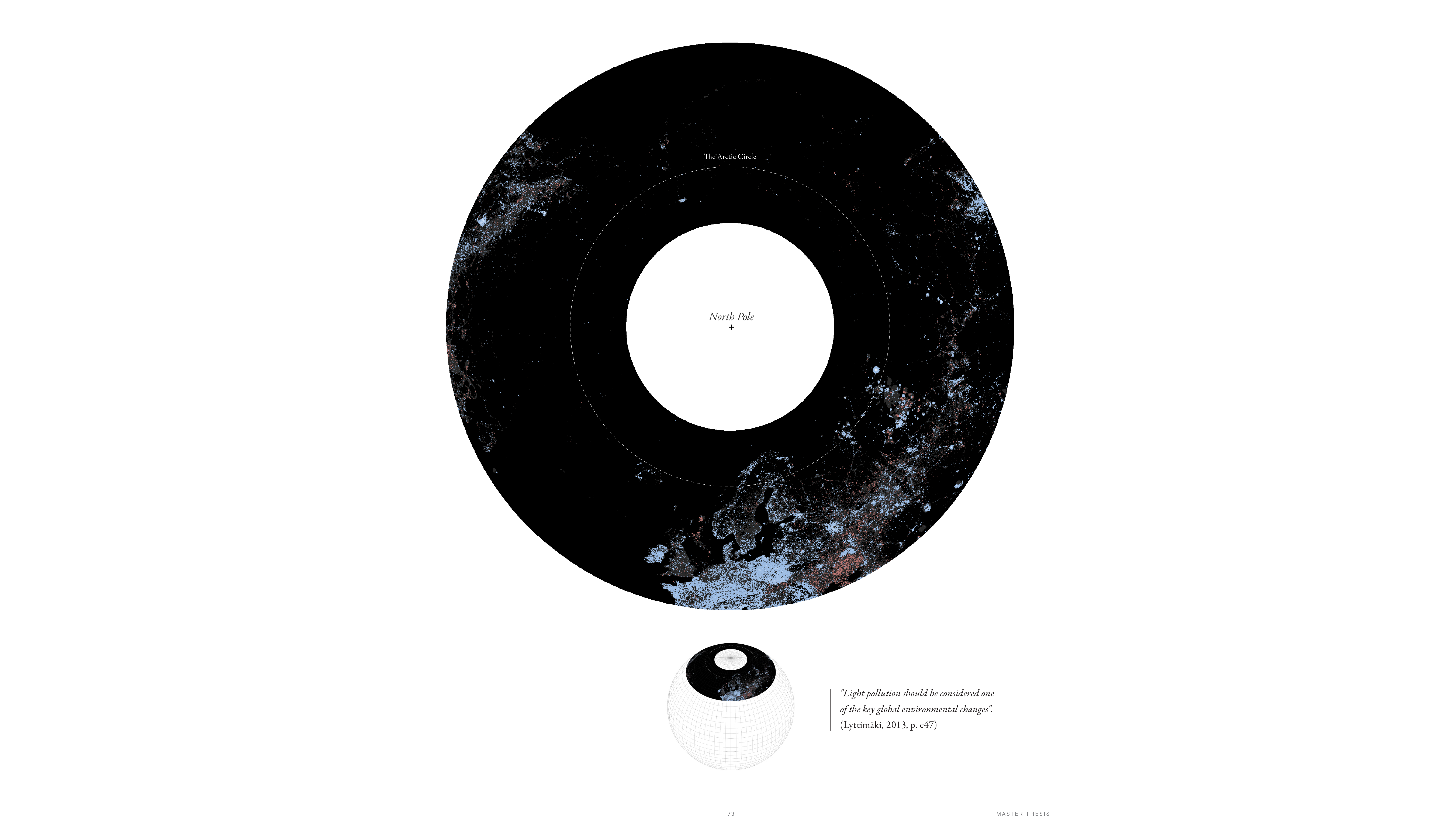
Darkness as Territory, Allard van Engelenhoven, 2026
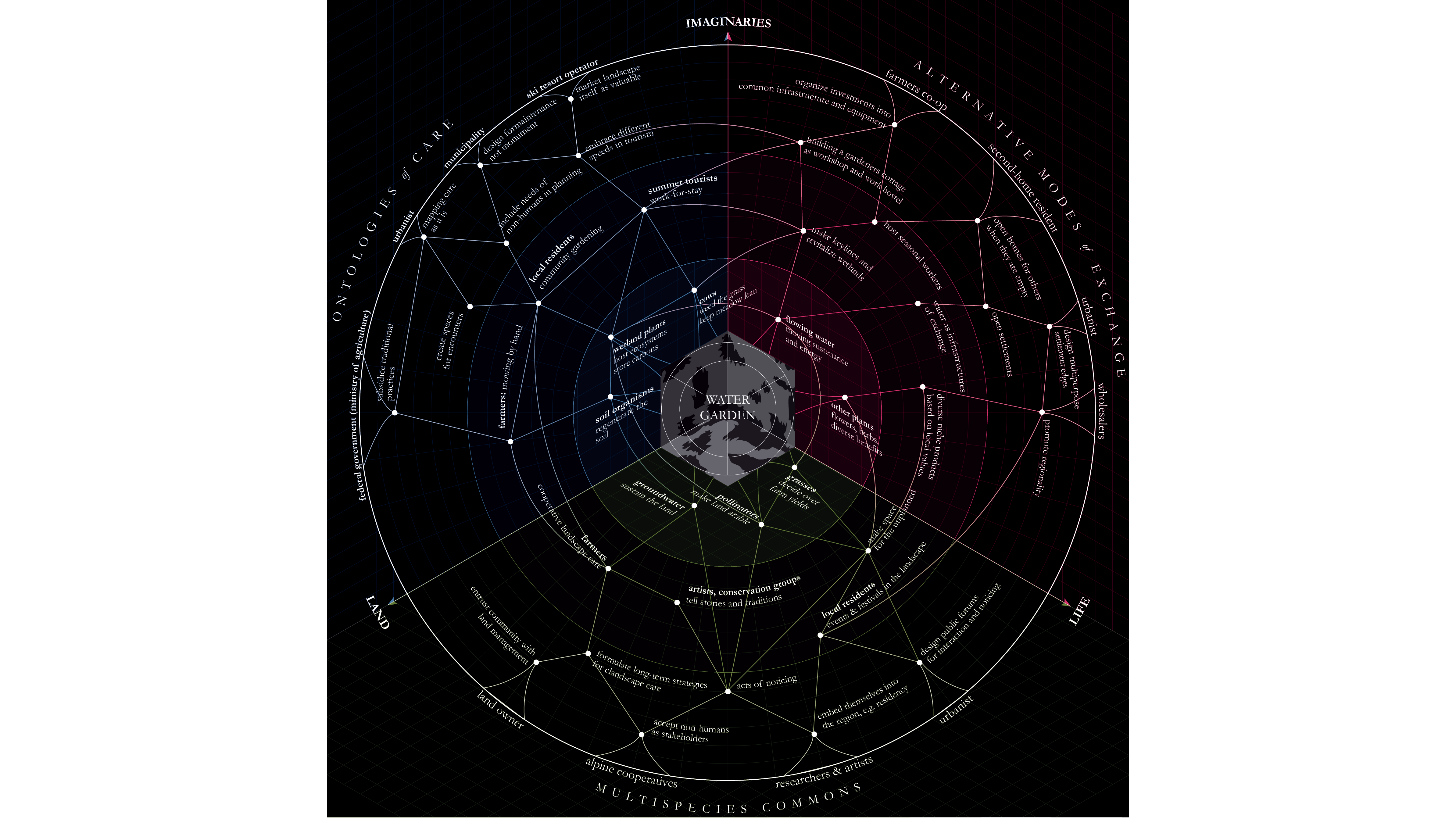
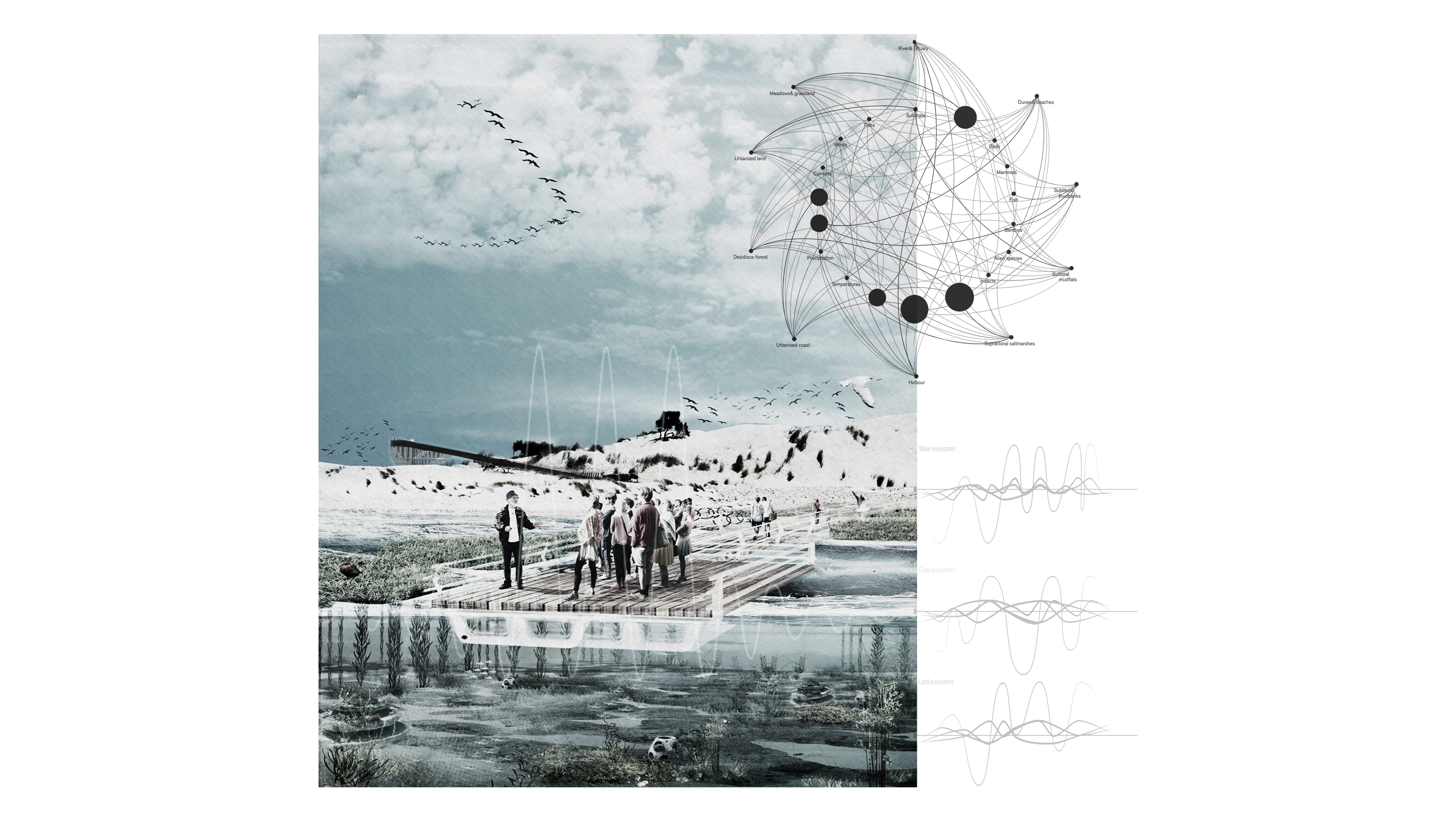
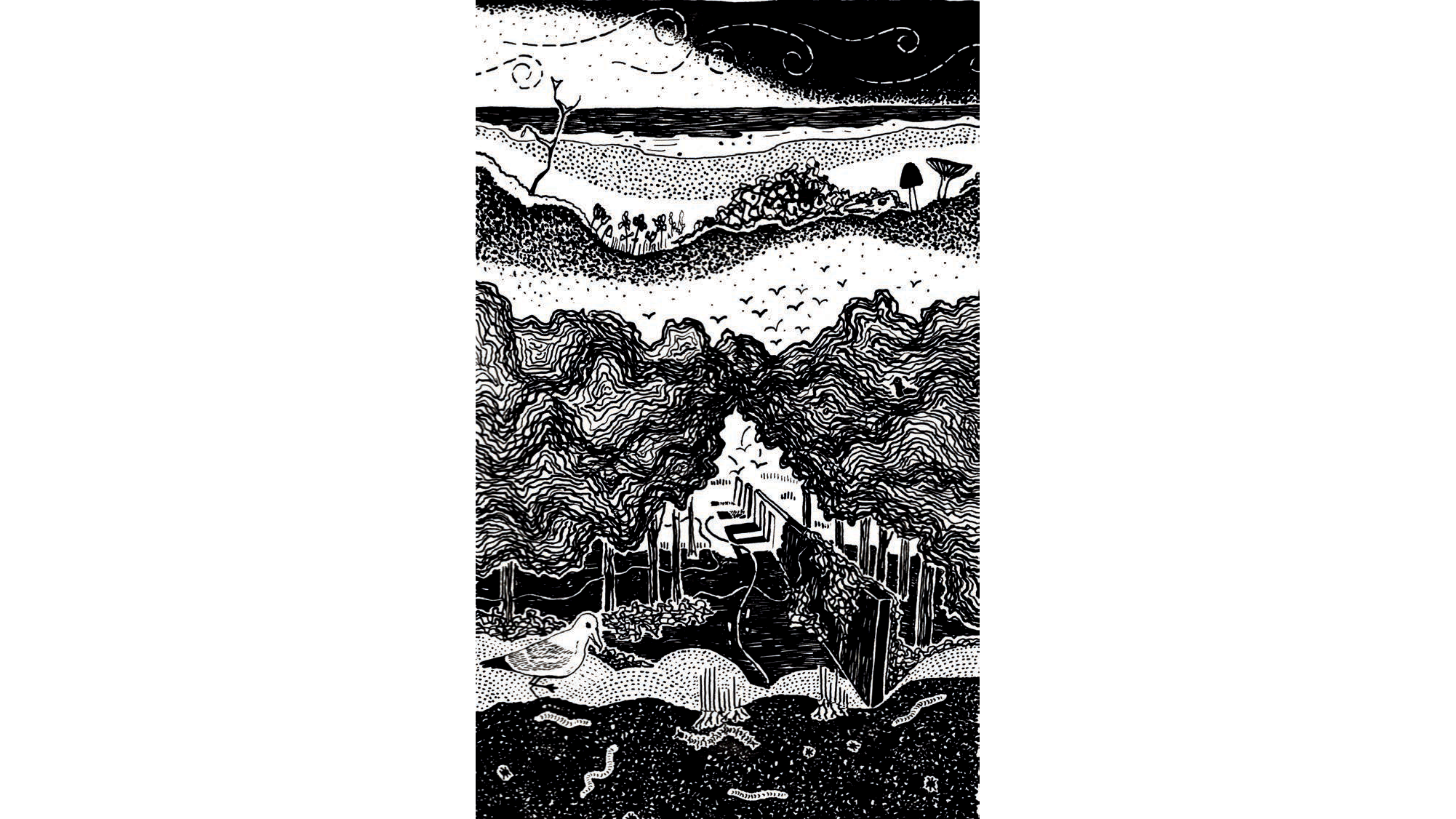
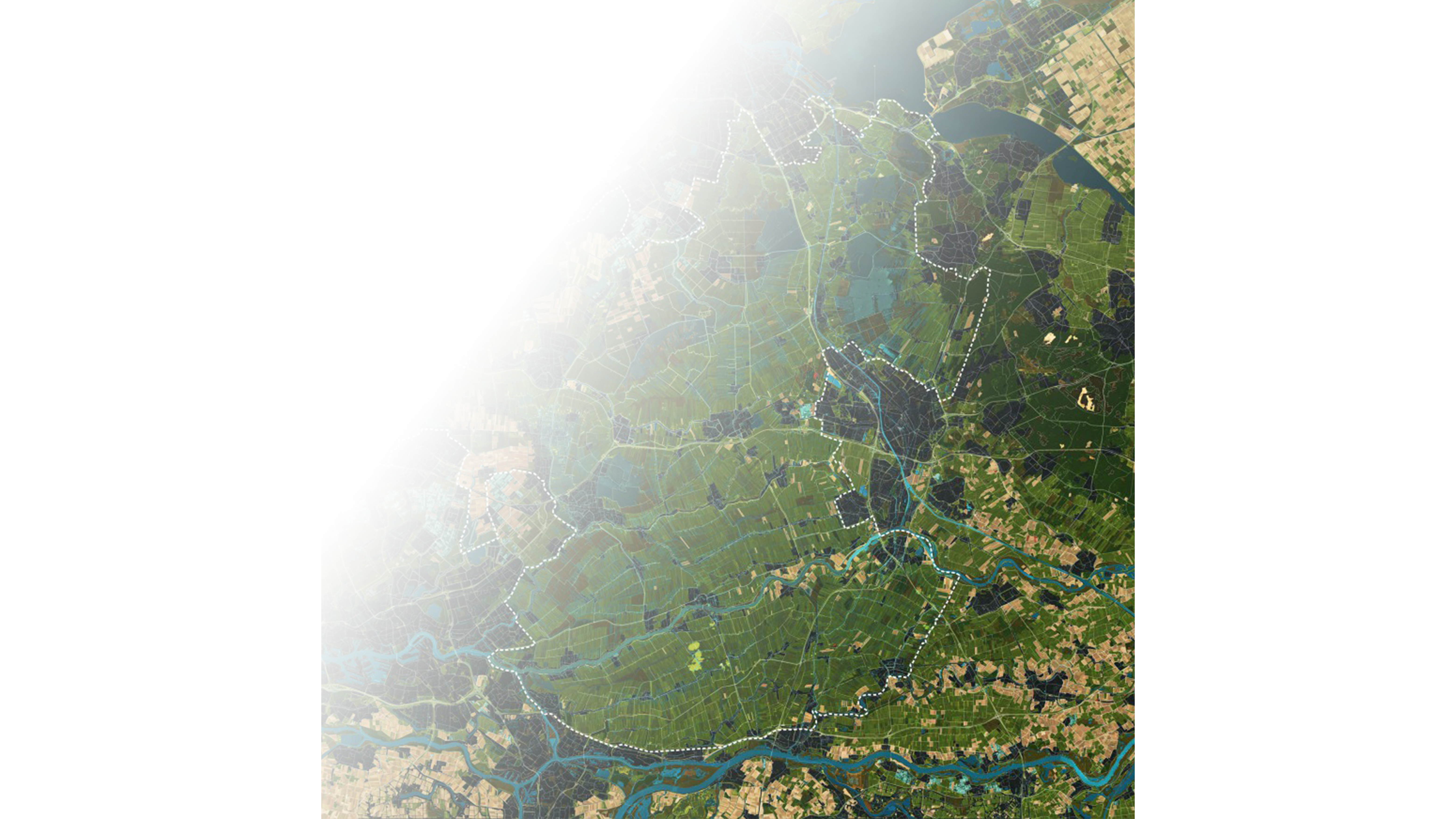
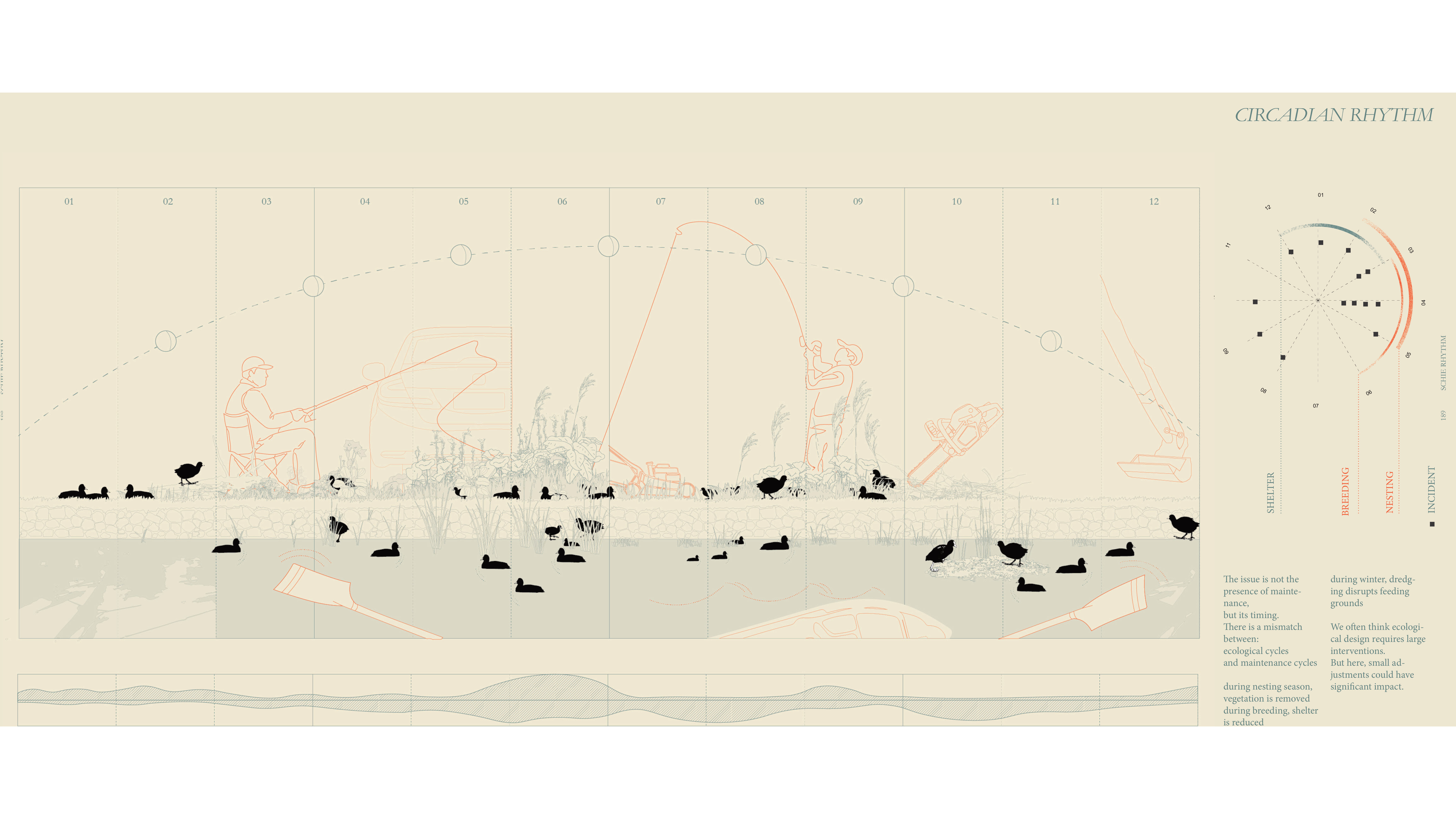
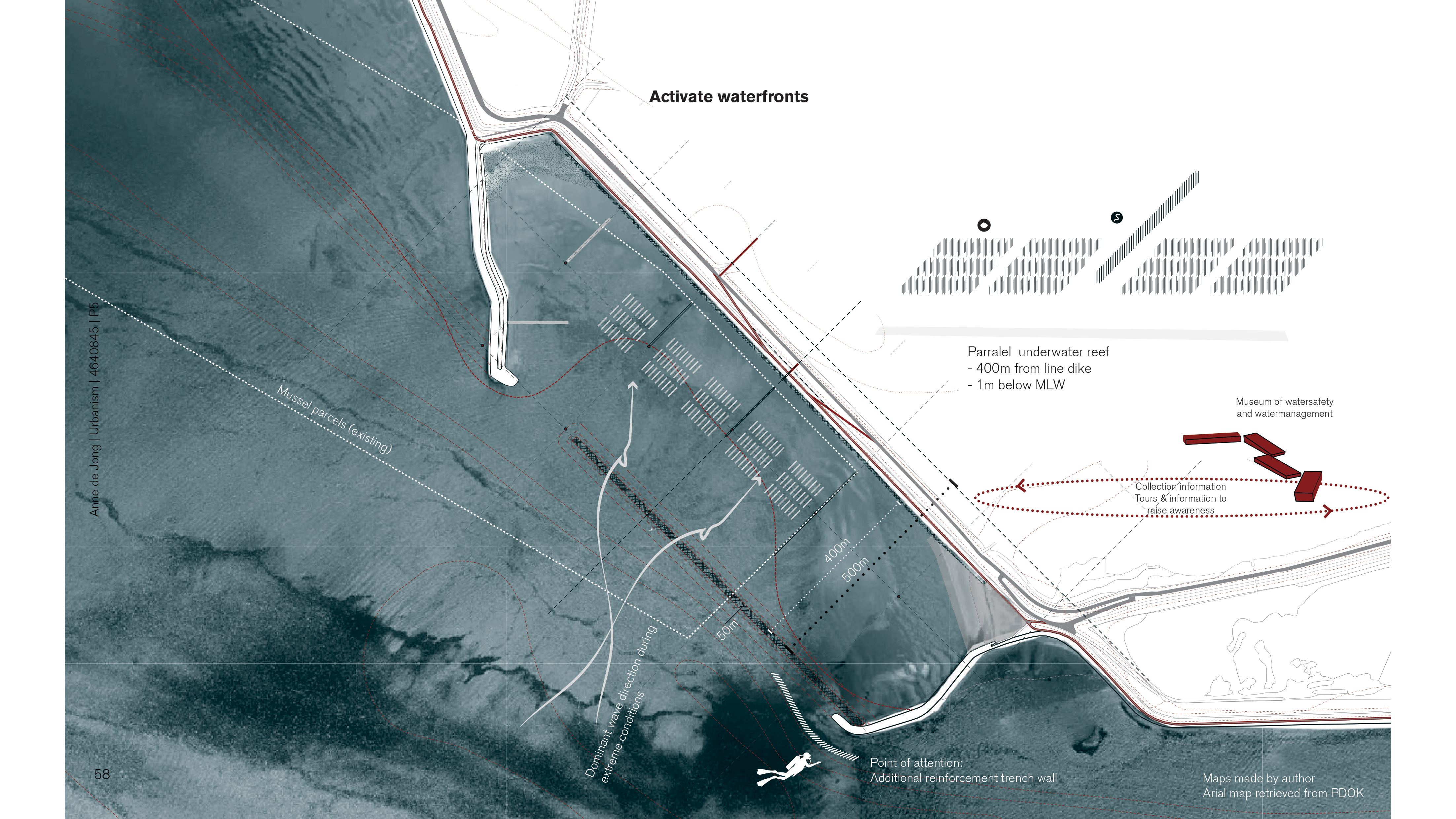
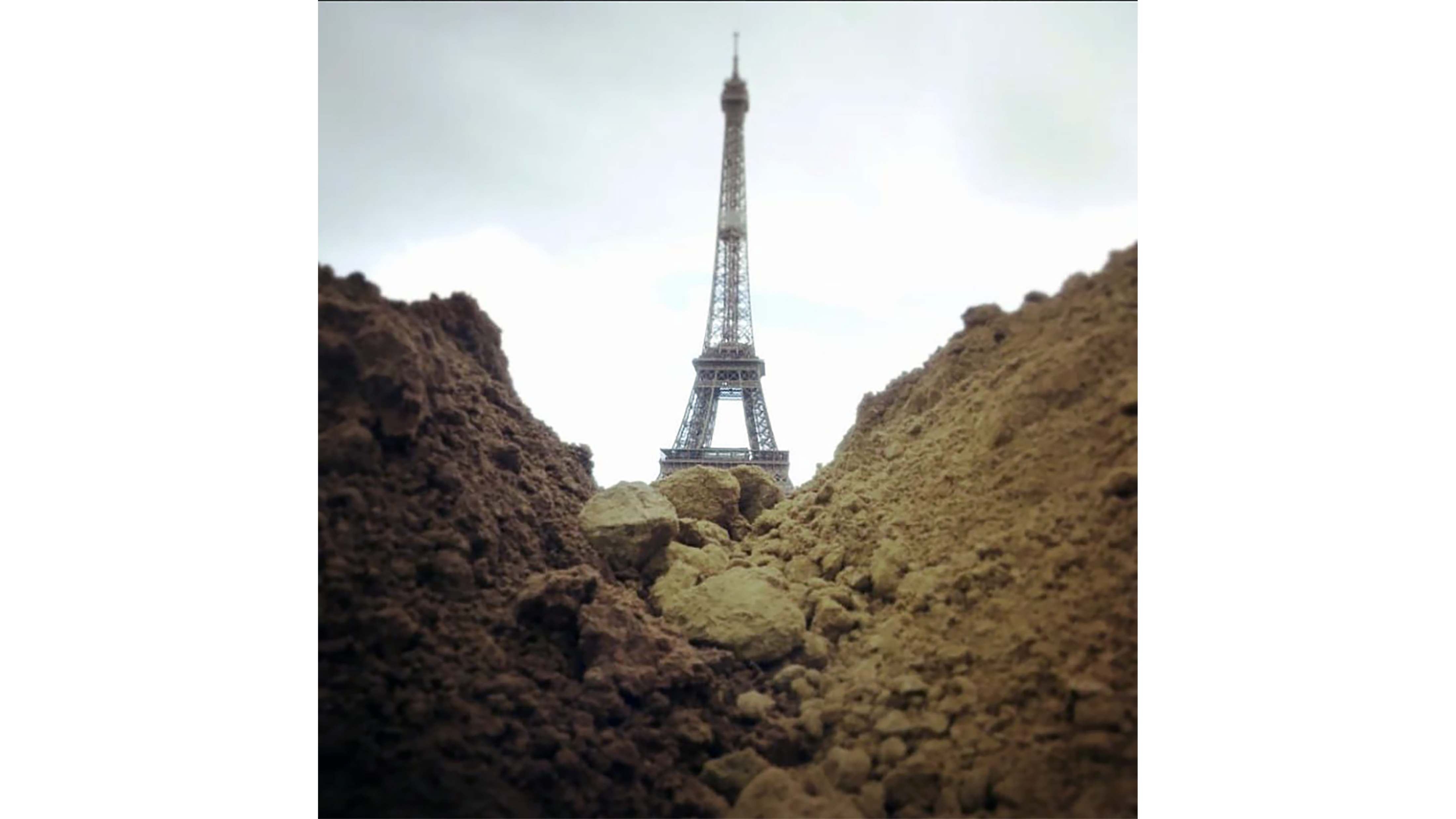
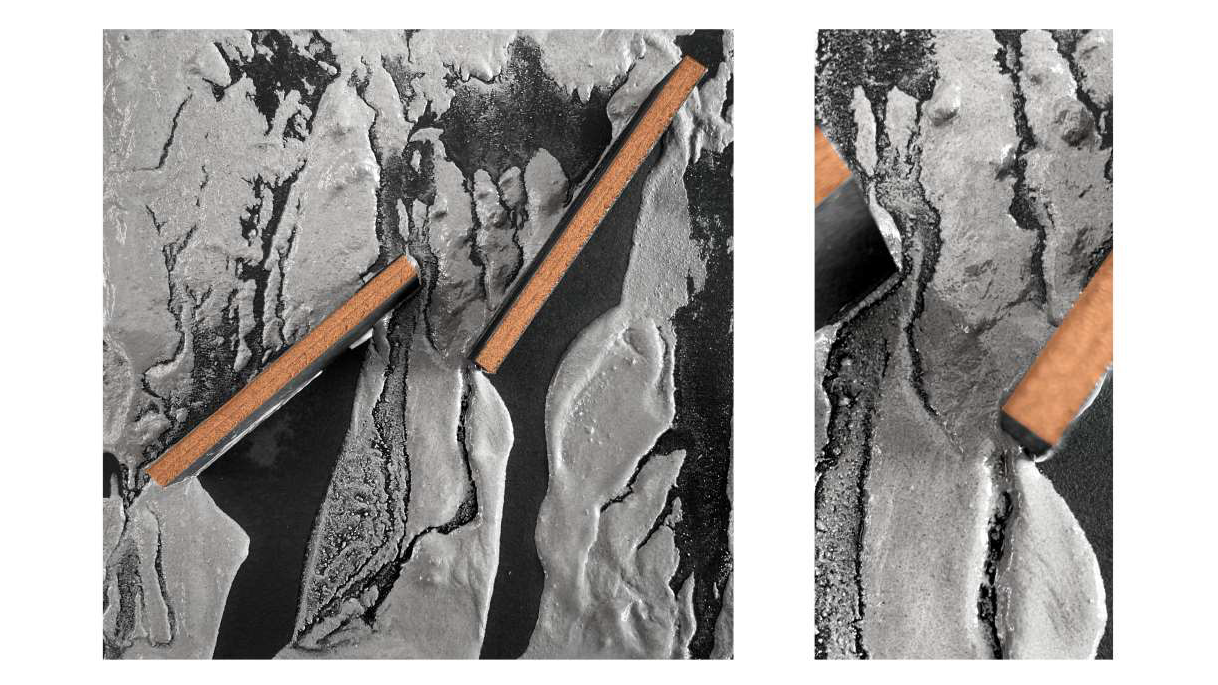
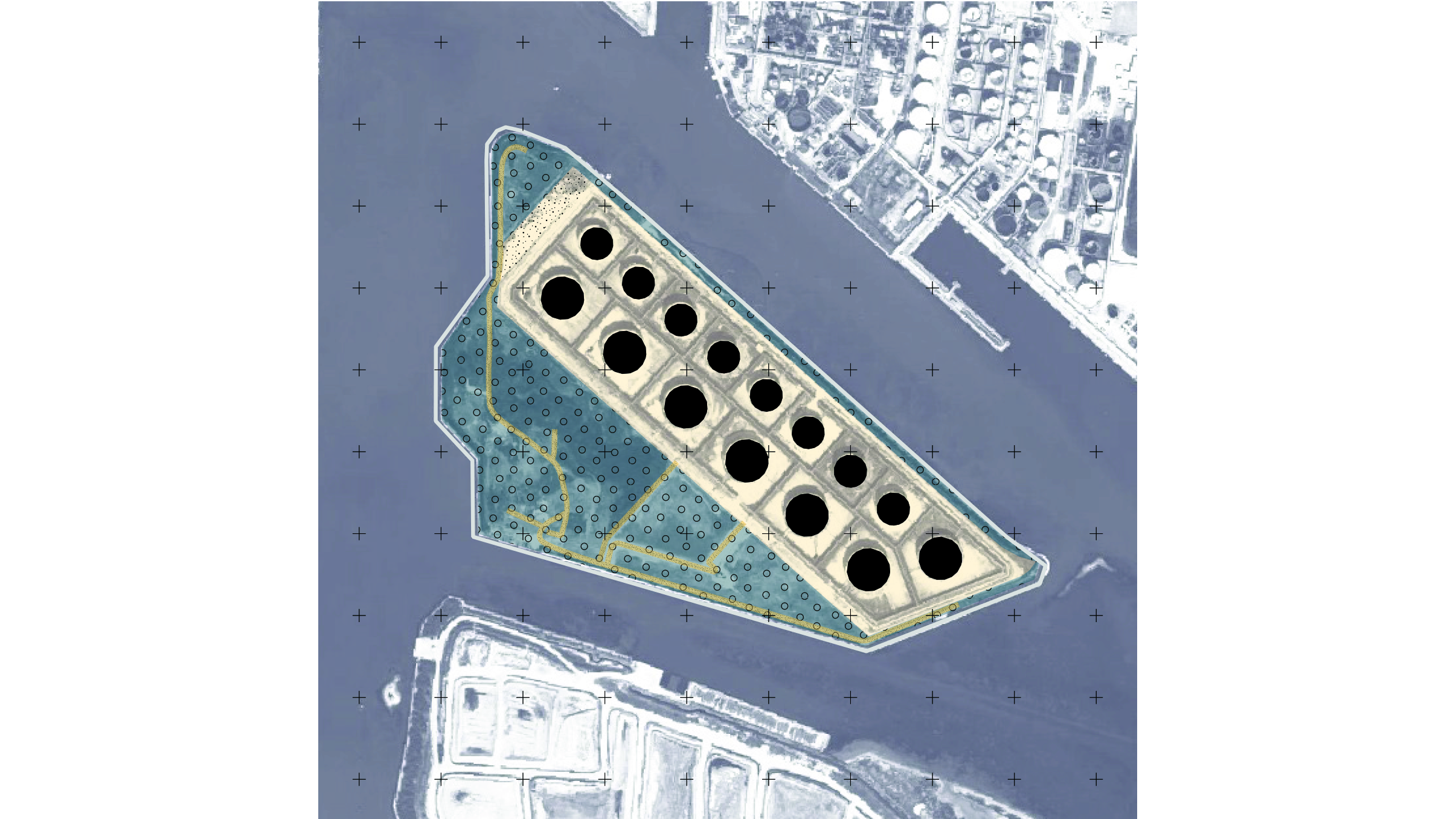
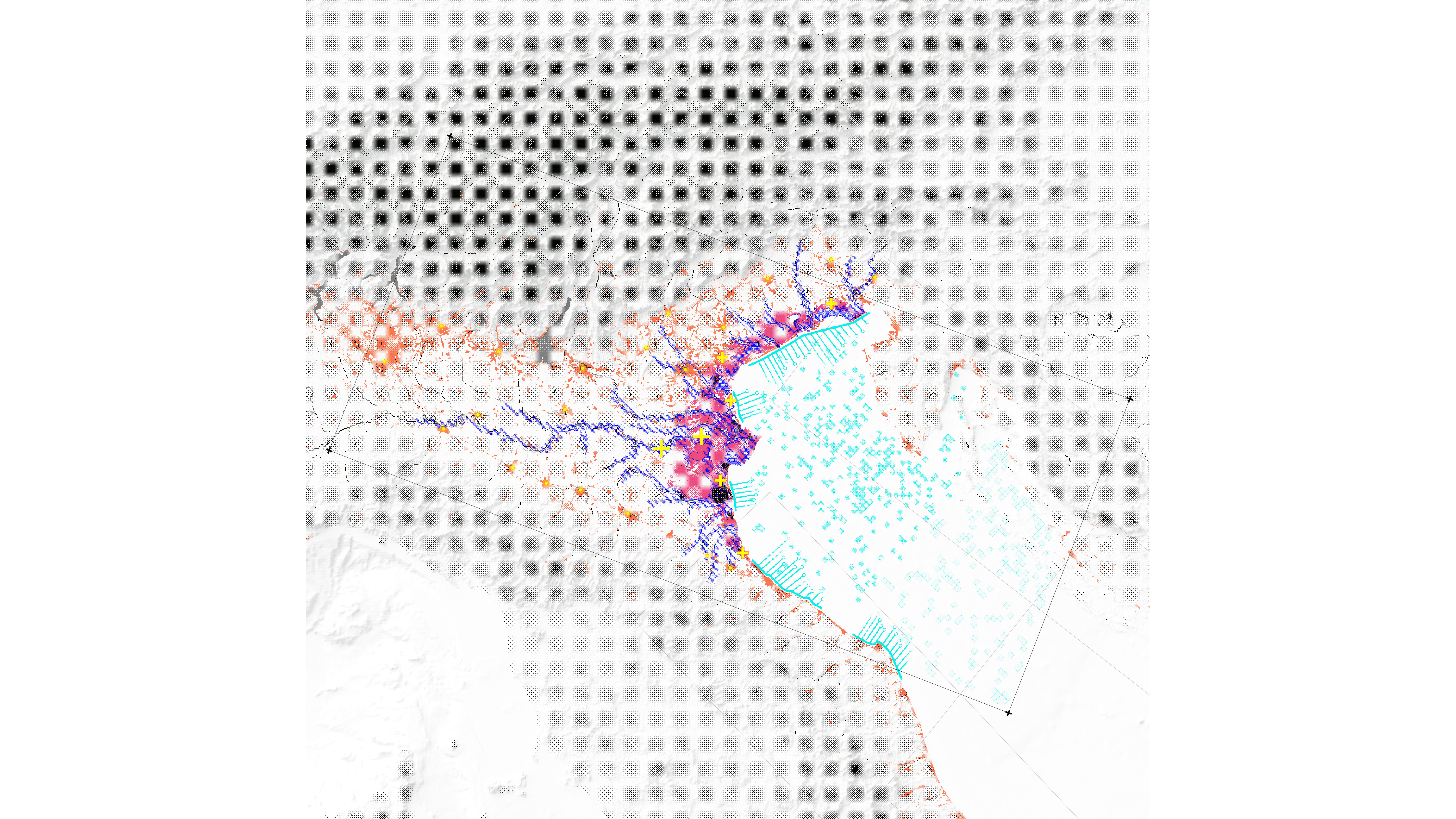
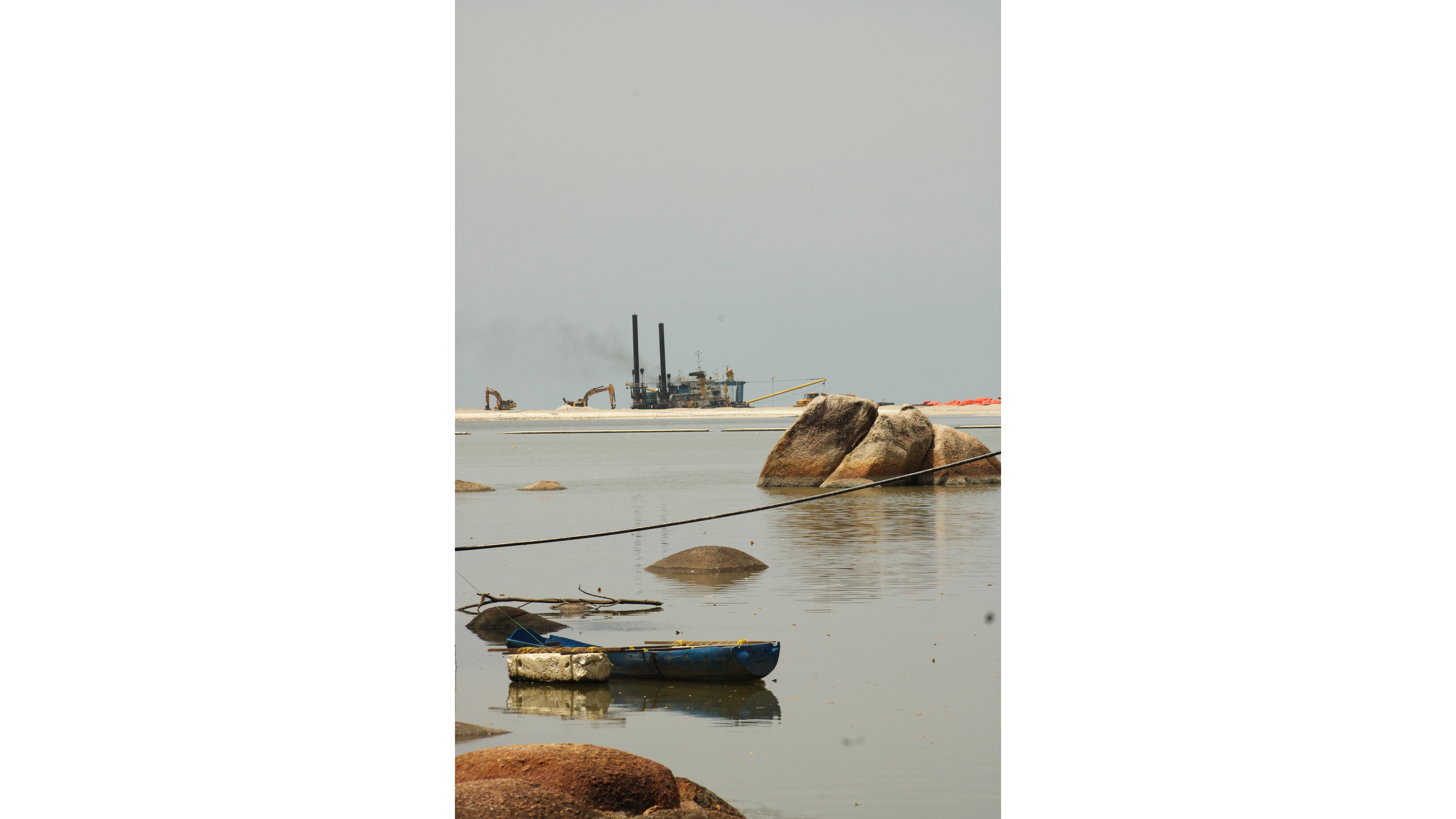
This question is urgent because spatial development still operates through business-as-usual logics of growth, extraction, infrastructure and technological necessity, even as interlinked crises intensify and planetary boundaries are being transgressed. The challenge is not to accommodate the claims of rights-bearing subjects within the existing terms of development, but to rethink the terms themselves: how should we design, plan, inhabit, consume and produce when ecological thresholds can no longer be treated as negotiable?
Legal recognition does not define the spatial subject. A river exceeds its channel; a lagoon its water surface; a forest its mapped perimeter. The spatial existence of such subjects must be understood through flows, dependencies, habitats, infrastructures, histories and temporalities that rarely coincide with administrative or cartographic boundaries. In conditions of Altered Nature, these relations are entangled with urbanisation, engineering, cultivation, pollution and technological mediation.
Altered Nature does not dissolve difference; it dissolves the human–nature divide through which modernity has organised difference as separation. What becomes possible instead is to work with difference relationally: to recognise distinct agencies, dependencies, vulnerabilities, temporalities and forms of life without reducing them to either sameness or opposition. This shift matters because the subject of rights is never isolated. It exists through relations that can be sustained, disrupted, cared for or transformed.
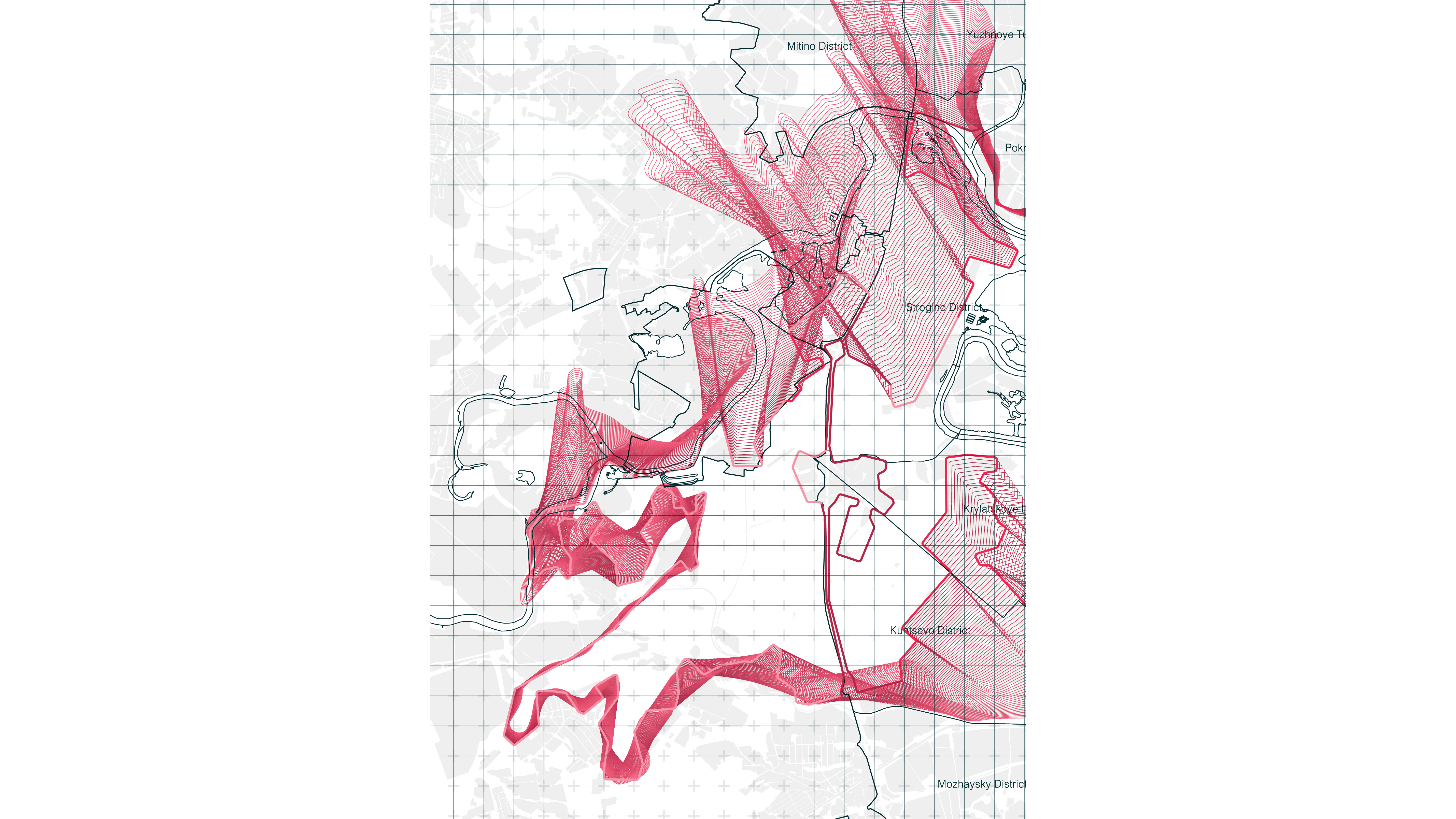
Representation is therefore constitutive: it shapes what becomes visible as the subject, whose knowledge counts as evidence, and which claims enter decision-making and on what terms.
Within Critical Environments, our contribution to the global Rights of Nature movement is to spatialise the subject of rights: articulating the relations through which it can be recognised; co-constructing the knowledge, representations, values, obligations and thresholds through which rights are formulated and enacted; and developing forms of stewardship through which those relations can be cared for and sustained over time. Spatialising Rights of Nature is therefore integral to refounding spatial practice itself.