Designing Work
How will we work? is a question that embodies feelings of wonder and fascination, but also fear and anxiety, toward one of the most significant societal shifts of our time. What it means to work, to be a worker, and what a workplace looks like is being unsettled by an interlinked set of forces: automation and AI, platforms and deregulation, the phasing out of linear, fossil-based, extractive economies, and a growing recognition of the metabolic work performed by more-than-human actors.
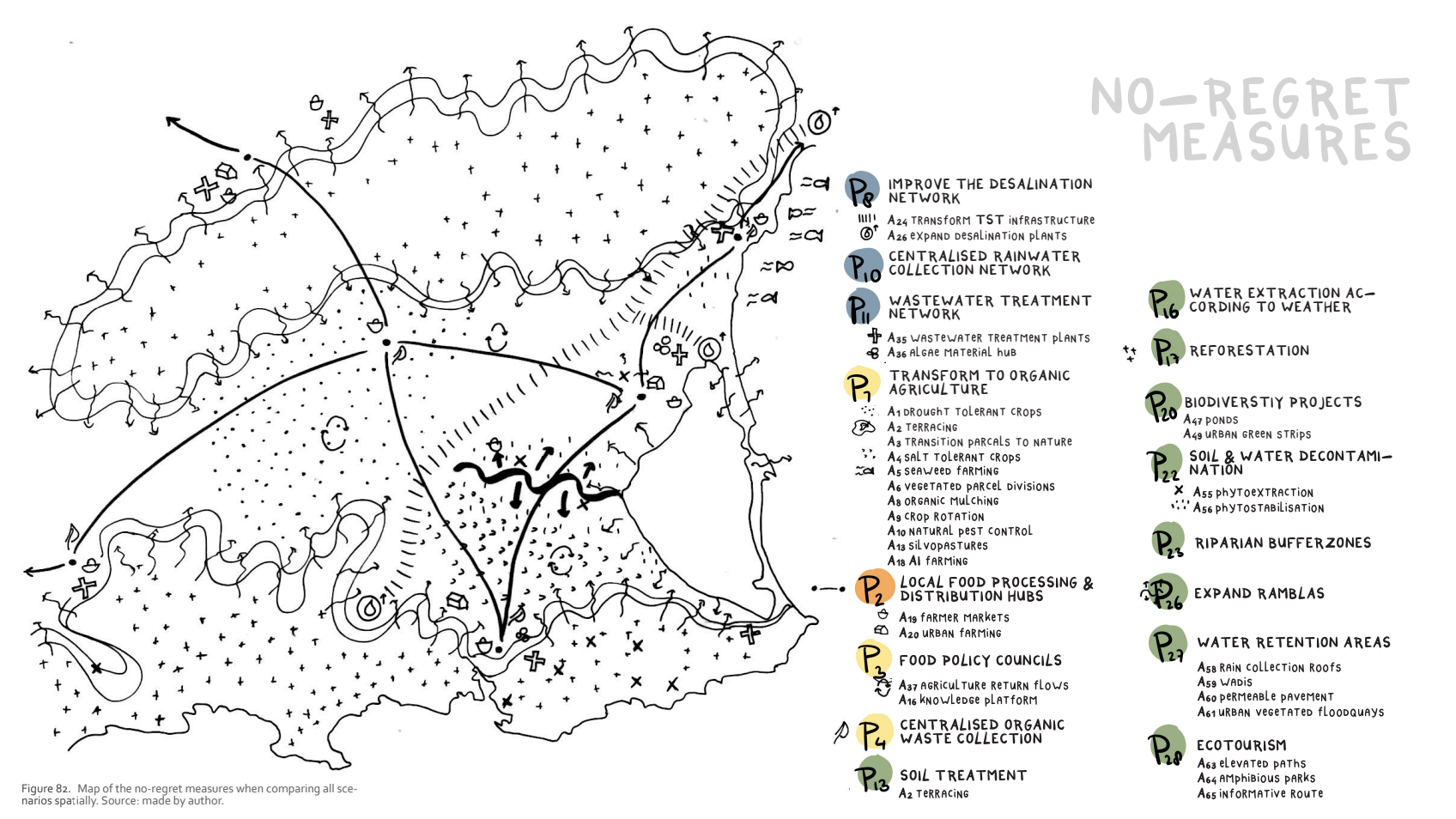
Visioning Indian Agro-Urbanism: Futuring Indian agricultural system paradigms for food sovereignty, security and justice, Aparnaa Chandrasekaran, 2026
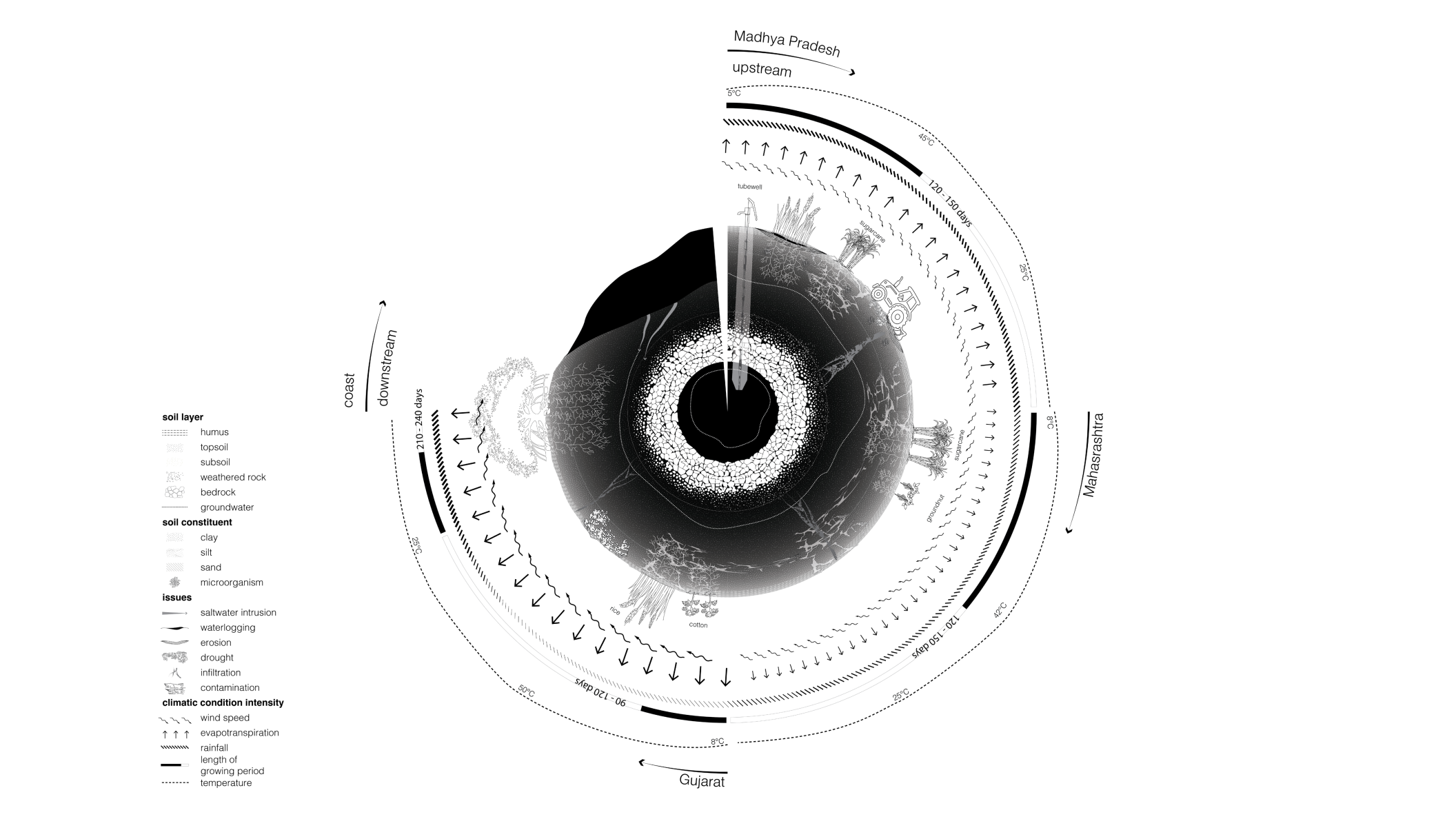
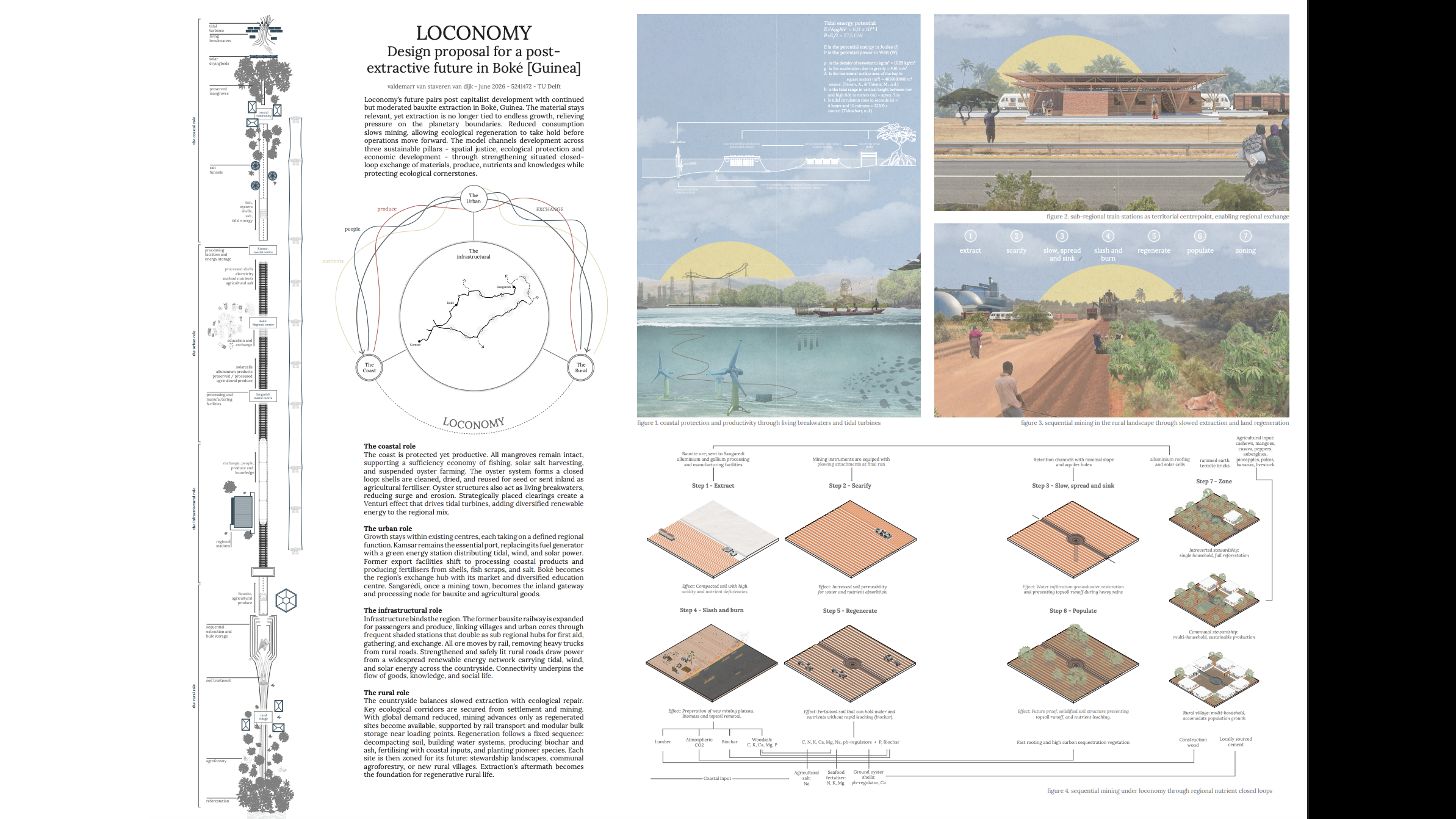
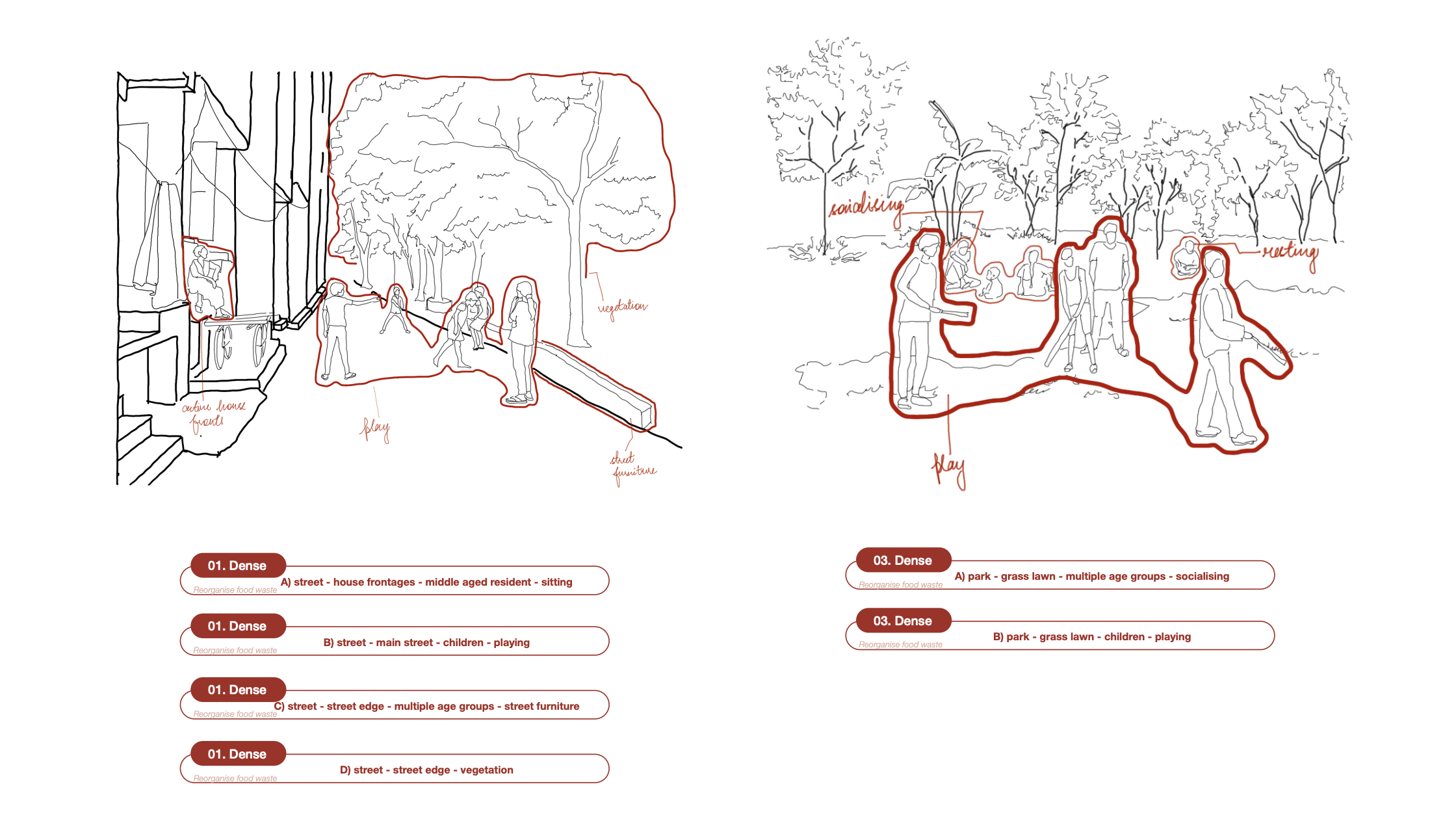
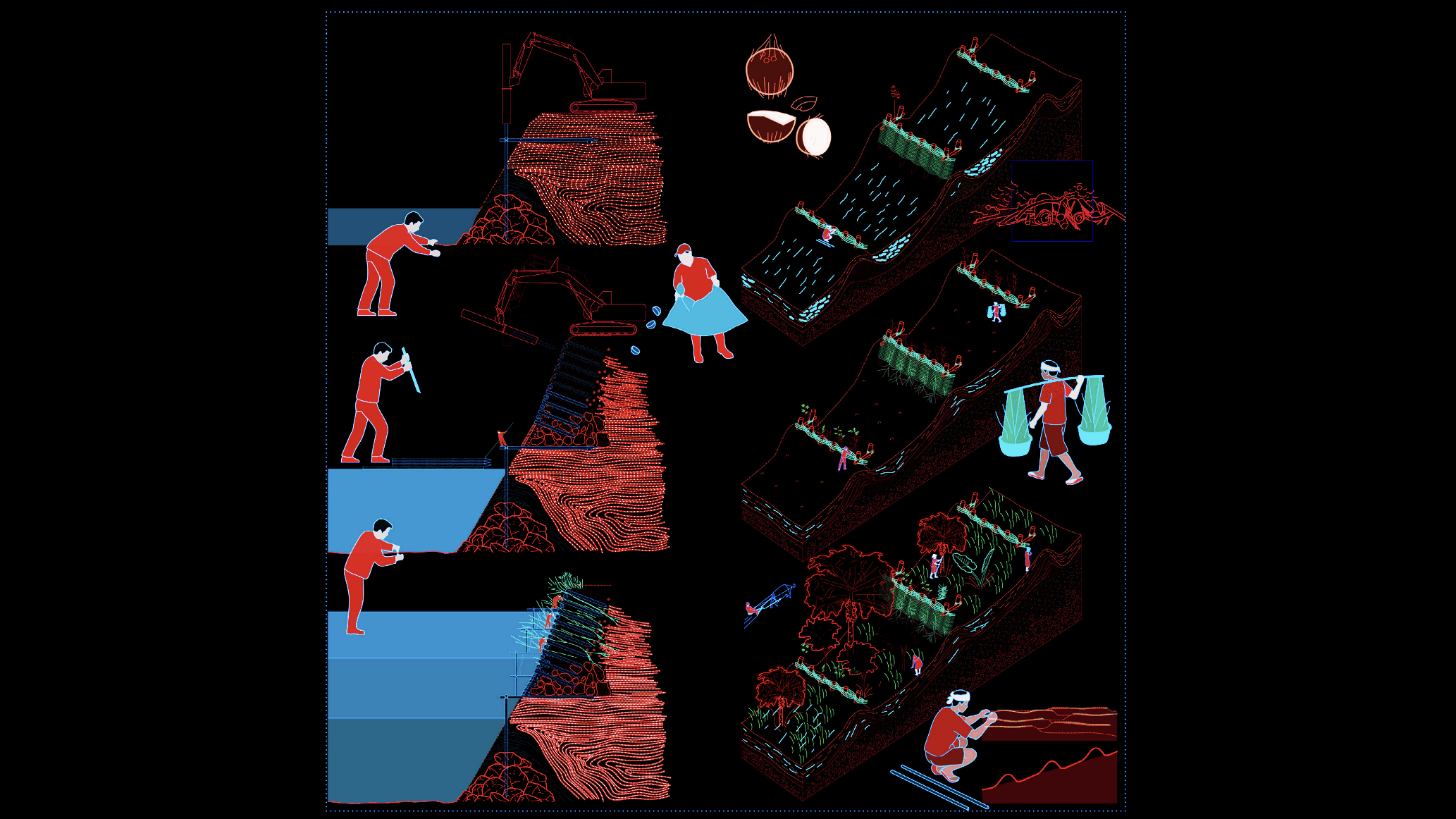
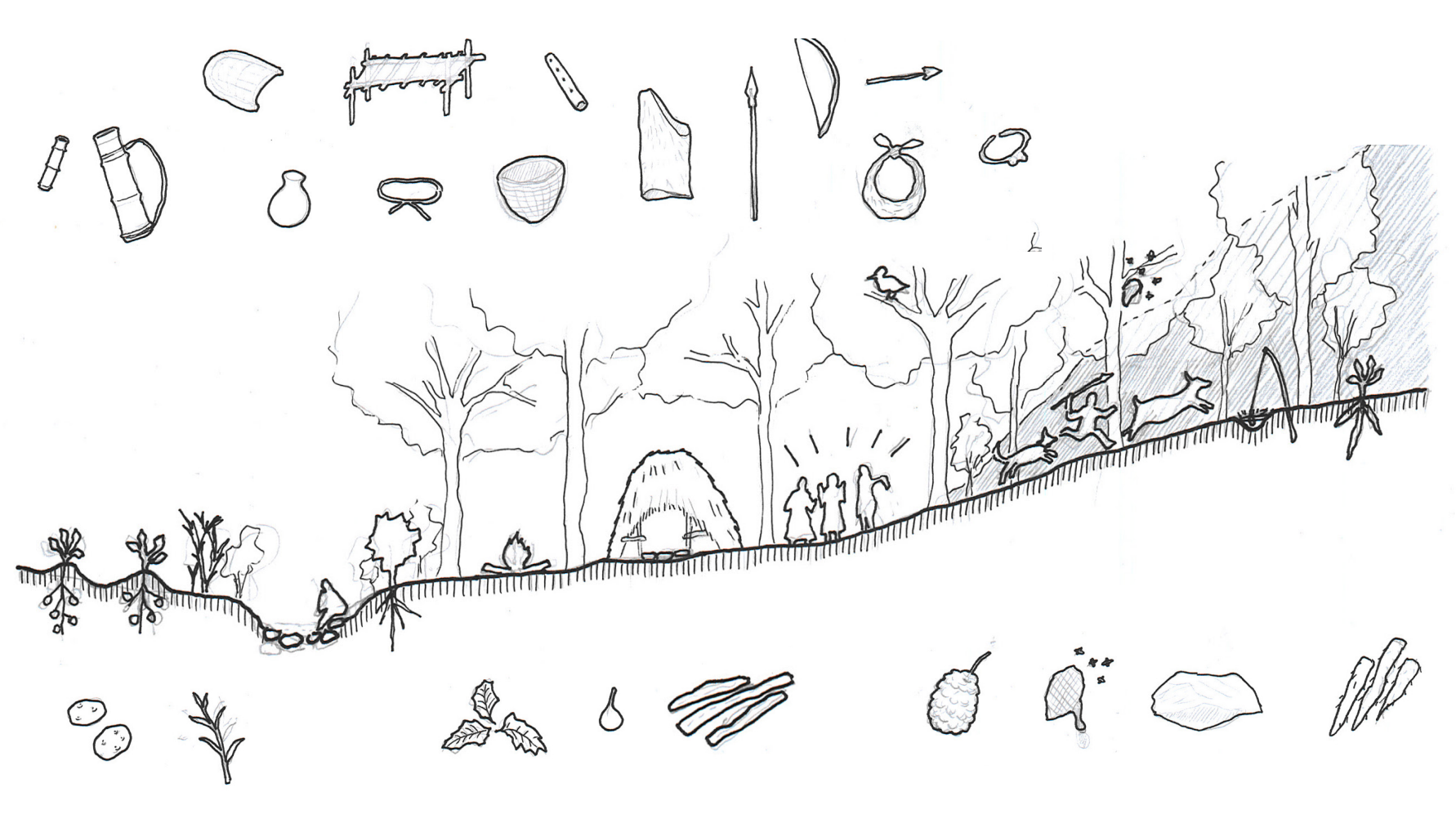
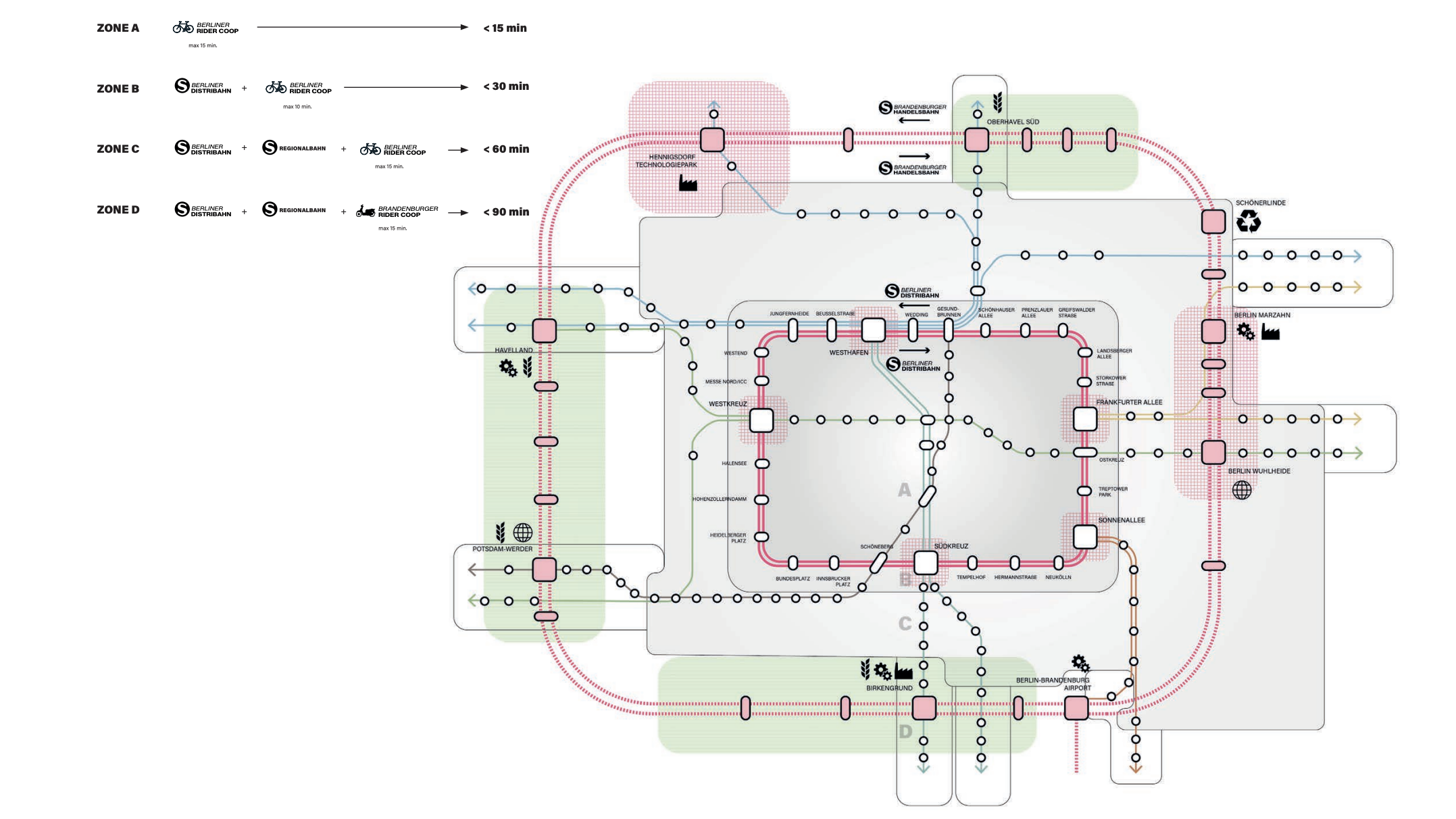
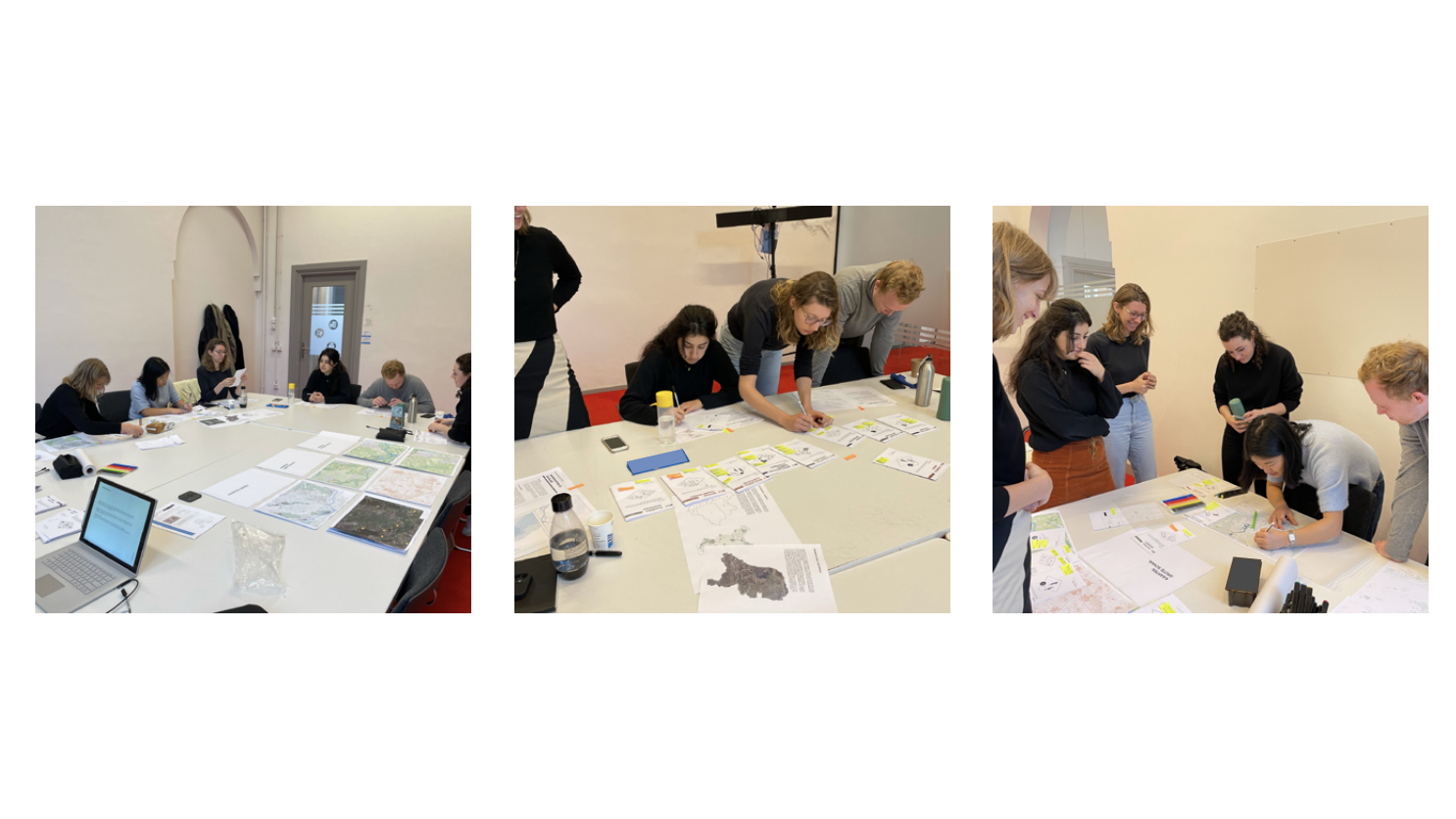
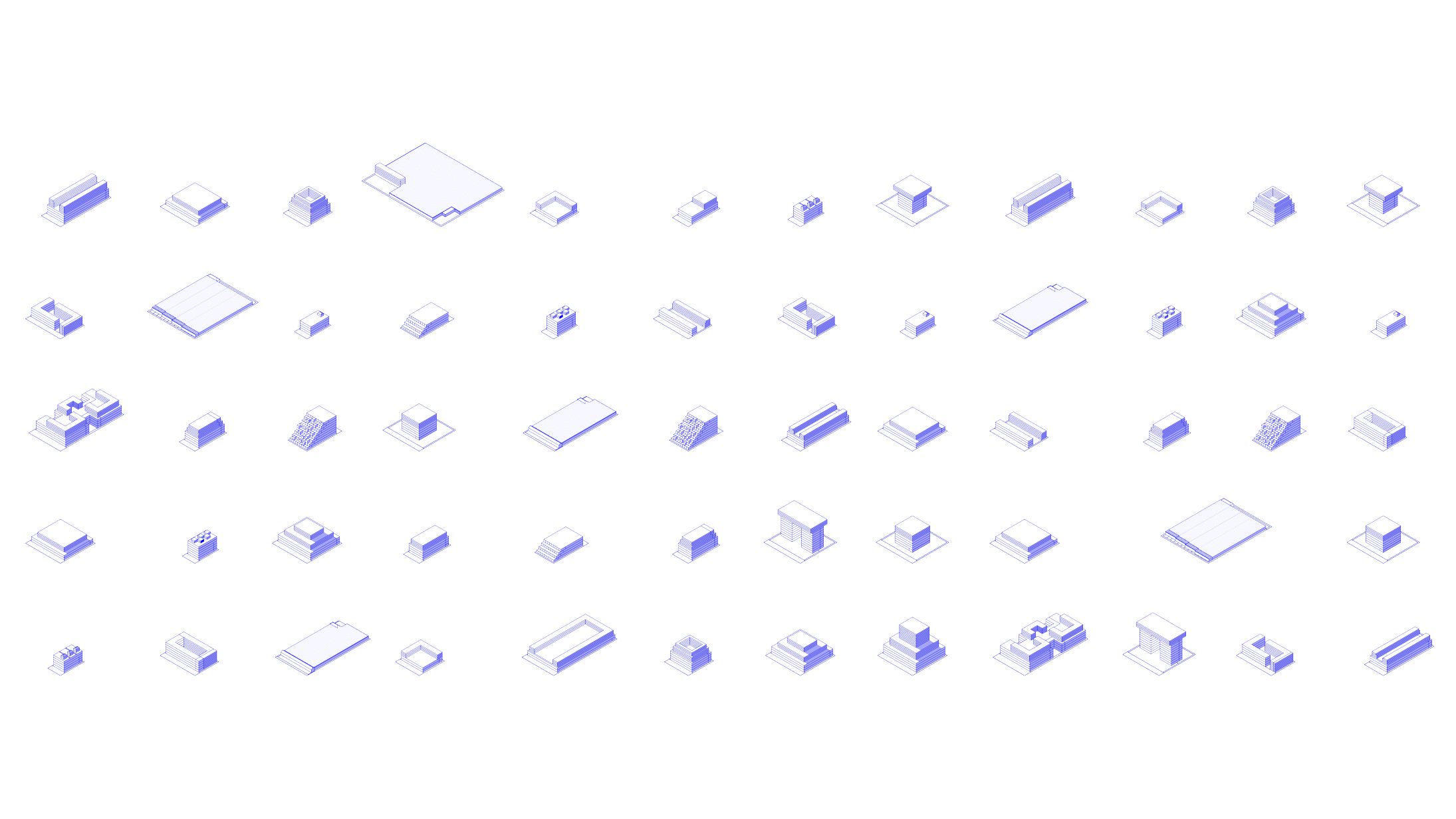
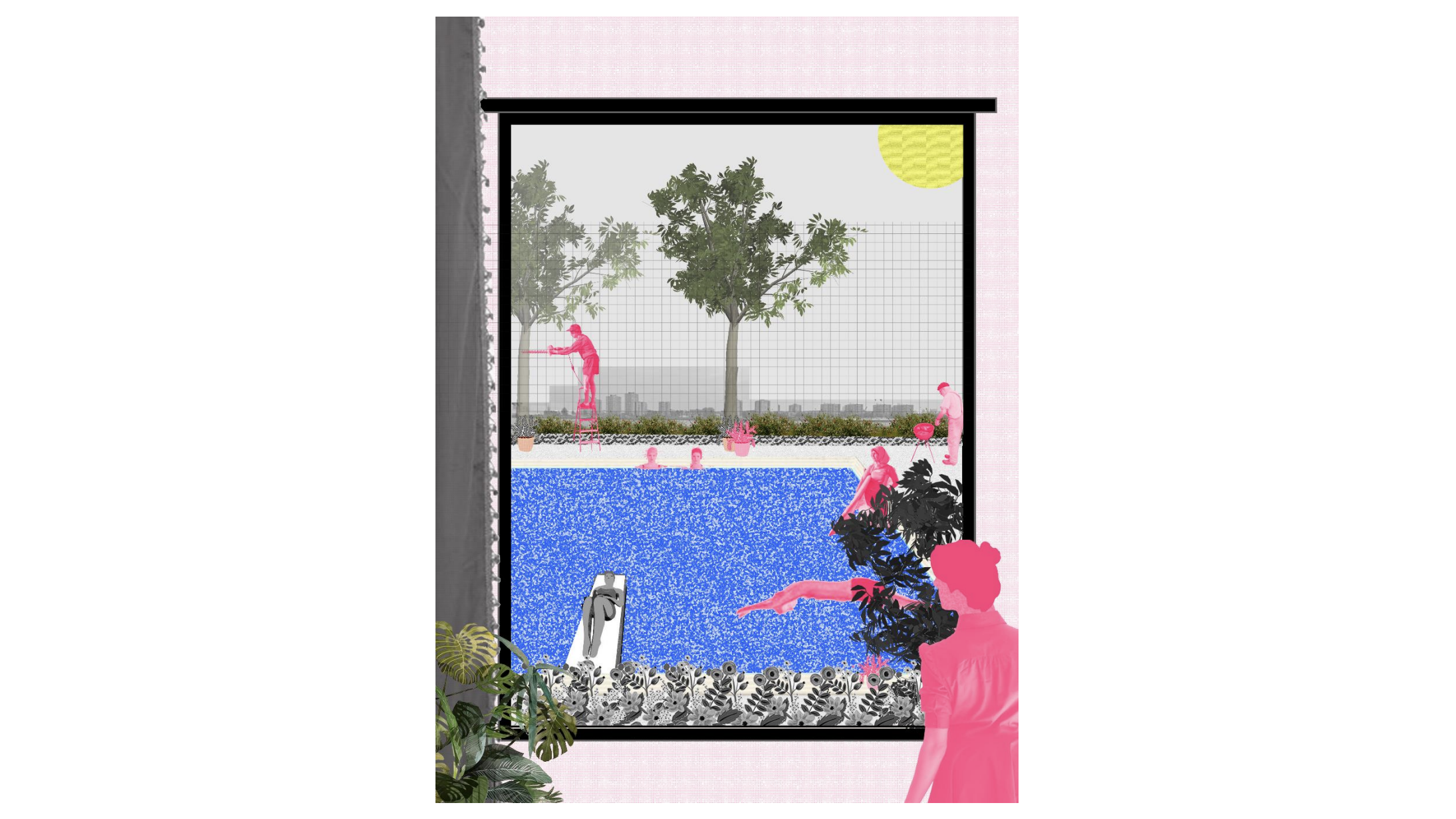
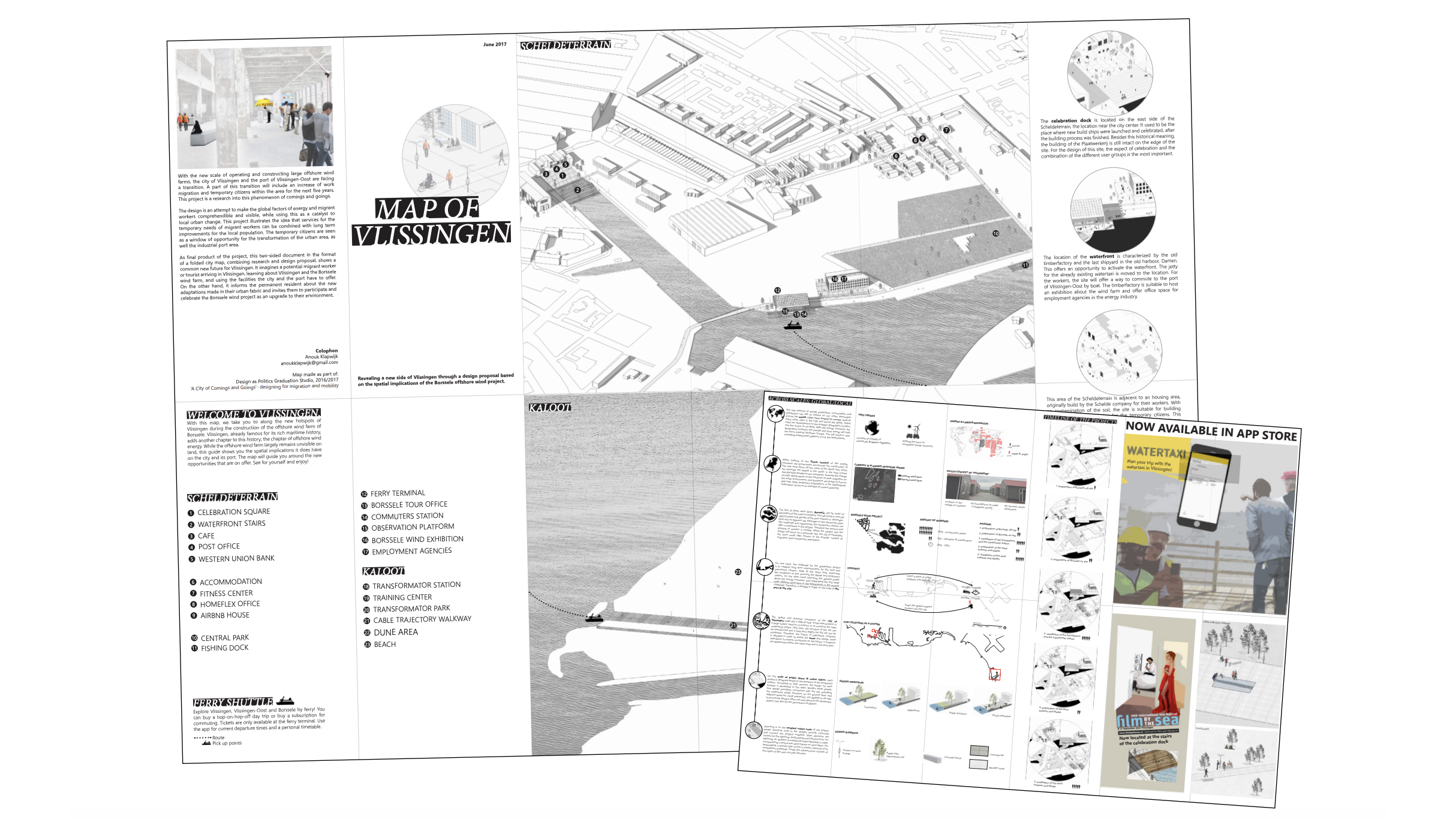
As these technological and political developments unfold at unprecedented pace, the design of work becomes a transversal theme for the design disciplines, supporting society's drive toward more just, inclusive, circular, climate-adaptive, and healthy forms of urbanization. Grounding new circular urban economies, a revamped food production system, or emerging economies of green care demands spatial solutions that have yet to be designed. If left unexamined, we risk reproducing the very extractivism, exploitation, and appropriation of more-than-human work they claim to move beyond.
Work has been a core concern of urban design as a profession and discipline since its inception. Shifts in urbanization patterns are arguably inseparable from shifts in work regimes: from the industrial concentration of labor to Fordist mass production, the postwar welfare economy and post-Fordist knowledge work, each phase redefined the spatial and metabolic relationship between where and how humans and non-humans live and work. Urban design has long developed forms and ideas around how these shifting relationships shape the structure of cities and the everyday spaces of urban life.
Within Critical Environments, this line of inquiry decenters work from a narrowly human, workplace-bound concern to ask how changing forms of labor — human and more-than-human — reshape urban morphology, functions, infrastructure, and land use, and what spaces new forms of work will require. Because: if work as we know will forever change, how can spatial design anticipate and facilitate the emergence of new economies and situated spaces for meaningful work?
This line is organized along three interconnected trajectories, integrating theories and methods from the spatial design disciplines, science and technology studies, media and environmental history, and the history of science and technology:
Living Past Futures of industrial, corporate, and resource-extraction urbanism, focused on their interplay with technology, management, and the redesign of their heritage.
The Future of Work Today, critical research tracing innovations in (smart) technologies and the spatial transformations they produce across contemporary urban and rural landscapes.
Reimagining Work, mission-driven, strategic, and applied research exploring how design can empower situated forms of social and more-than-human collective agency as foundational systems sustaining urban life.